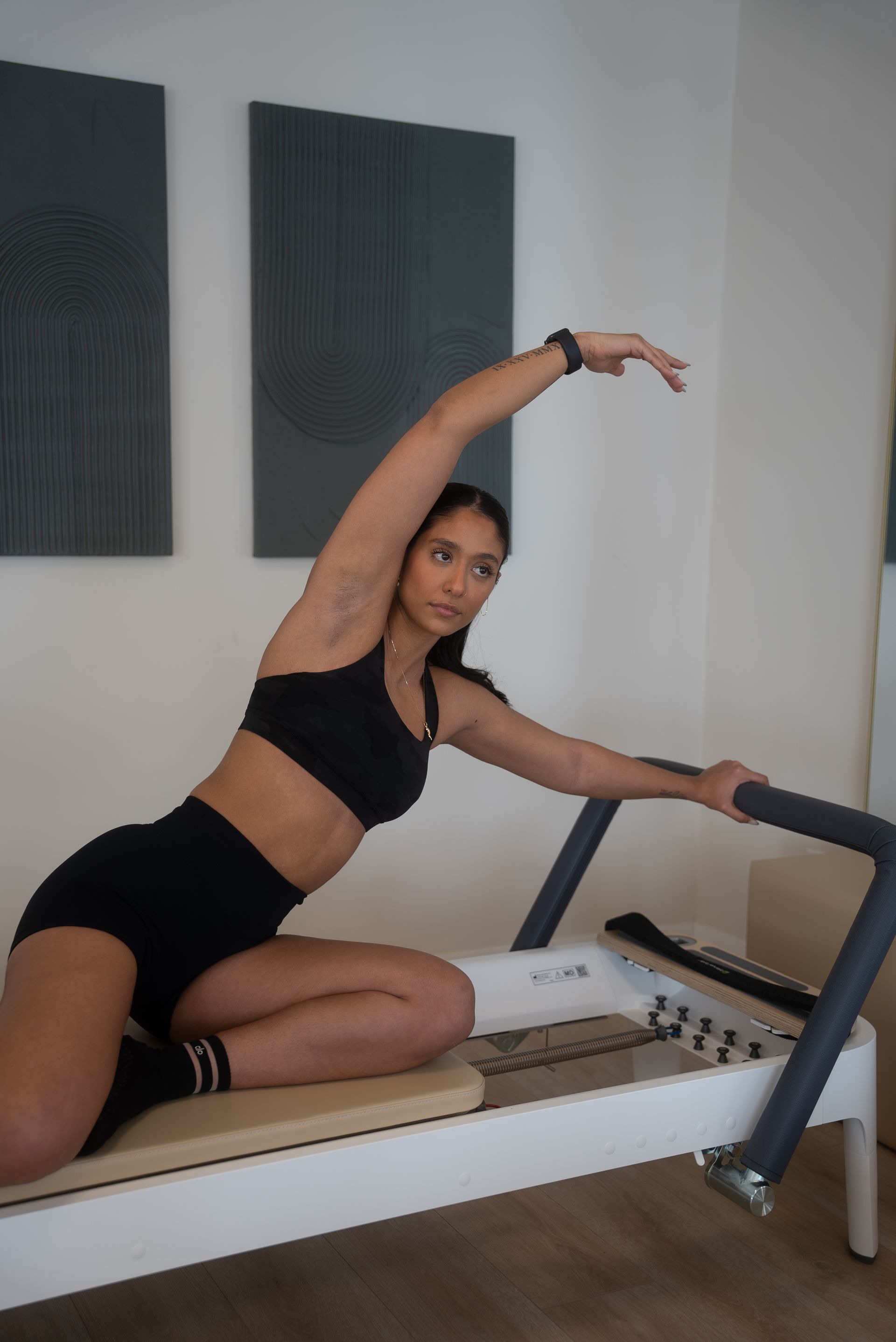
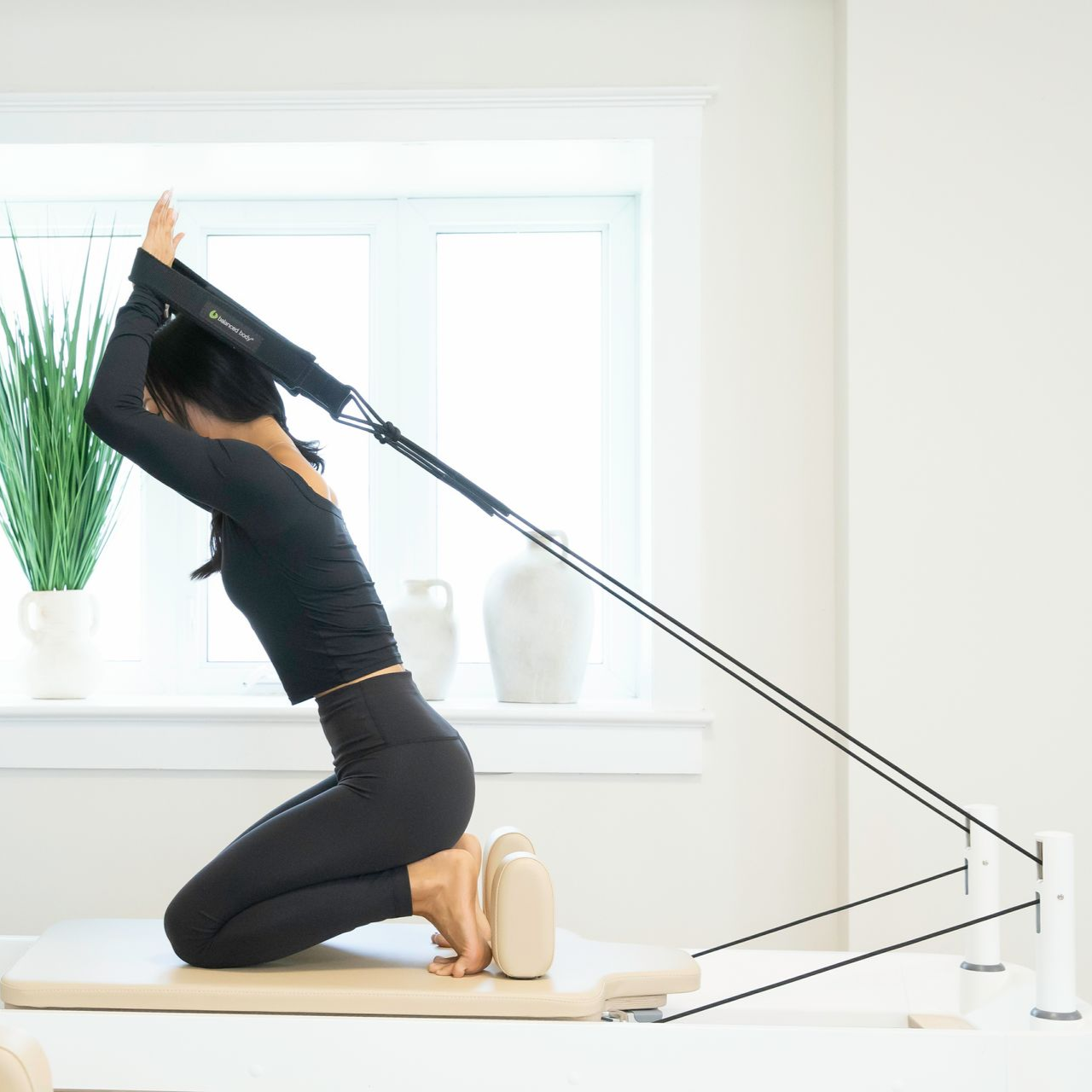
If you’ve ever caught yourself slacking on your form and simply powering through a tough sequence just to get to the end, you are not alone. Keeping proper form is one of the most important aspects of Pilates, but maintaining that level of deep, focused precision can be challenging as fatigue sets in across a 50-minute class. When we get tired, our bodies look for shortcuts. These alignment shifts can affect the efficiency and effectiveness of your workout. To help you get more out of your next class, we’ll break down three common alignment shifts that happen when you get tired, plus quick tips to fix them right away. Arching the Lower Back When it happens: This often shows up when your legs are extended away from your core. The further your feet travel from this anchor point, the heavier they feel, requiring your deep core to work much harder to keep your lower back from arching off the carriage. Common exercises: A few common exercises where this can occur include The Hundred, leg lowers & lifts, and double- and single-leg extensions. Quick fix: Imagine pulling your front ribs down and in, like you’re wearing a fitted corset. Keep your pelvis heavy and anchored. If your lower back starts to lift or arch, don’t lower your legs as much. Smaller, controlled movements are often more effective. Some exercises may benefit from a gently imprinted spine to reduce strain on the lower back and support deeper core engagement. This can help you better activate the abdominal muscles while avoiding unnecessary tension in the back. Lifting the Shoulders (Neck Tension) When it happens: This commonly occurs when tension builds in the neck and shoulders during challenging movements, especially when the arms are under load, or the core begins to fatigue. Instead of staying supported through the upper back and core, the shoulders begin to creep toward the ears, creating unnecessary tension in the neck and upper body. Common exercises: A few common exercises where we most often see this include the mid-back series in straps, chest expansion, or a front-rowing series. Quick fix: Imagine sliding your shoulder blades down and wide across your rib cage while keeping space between your shoulders and ears. Maintain stability through the shoulder girdle without gripping or squeezing the shoulder blades together. Keep the chest open and collarbones wide, allowing the scapulae to move naturally while staying supported. Focus on initiating movement from the core and upper back rather than the neck and shoulders. Powering Through a Movement vs Moving with Control When it happens: This often occurs when momentum takes over, and the movement is “powered through” rather than controlled. It often shows up when fatigue sets in or when trying to increase speed or intensity. This can cause the breath to become shallow and the core to disengage. Common exercises: A few common exercises where this can occur include lunge sequences, bear, upper body sequences (i.e., serve the platter, hug a tree, the offering), and feet in straps. Quick fix: Slow the movement down and match it with your breath. Inhale to prepare and exhale to initiate the effort, drawing the ribs gently down and in as you move. Think of controlling each phase of the exercise rather than rushing through it. If you start to lose form or breath becomes strained, reduce the range of motion or intensity. Focus on steady, intentional movement, with the breath supporting the core rather than driving momentum. Next time you’re in the studio, try slowing down, checking your alignment, and focusing on precision instead of speed. Your body will thank you. See you on the Reformer.
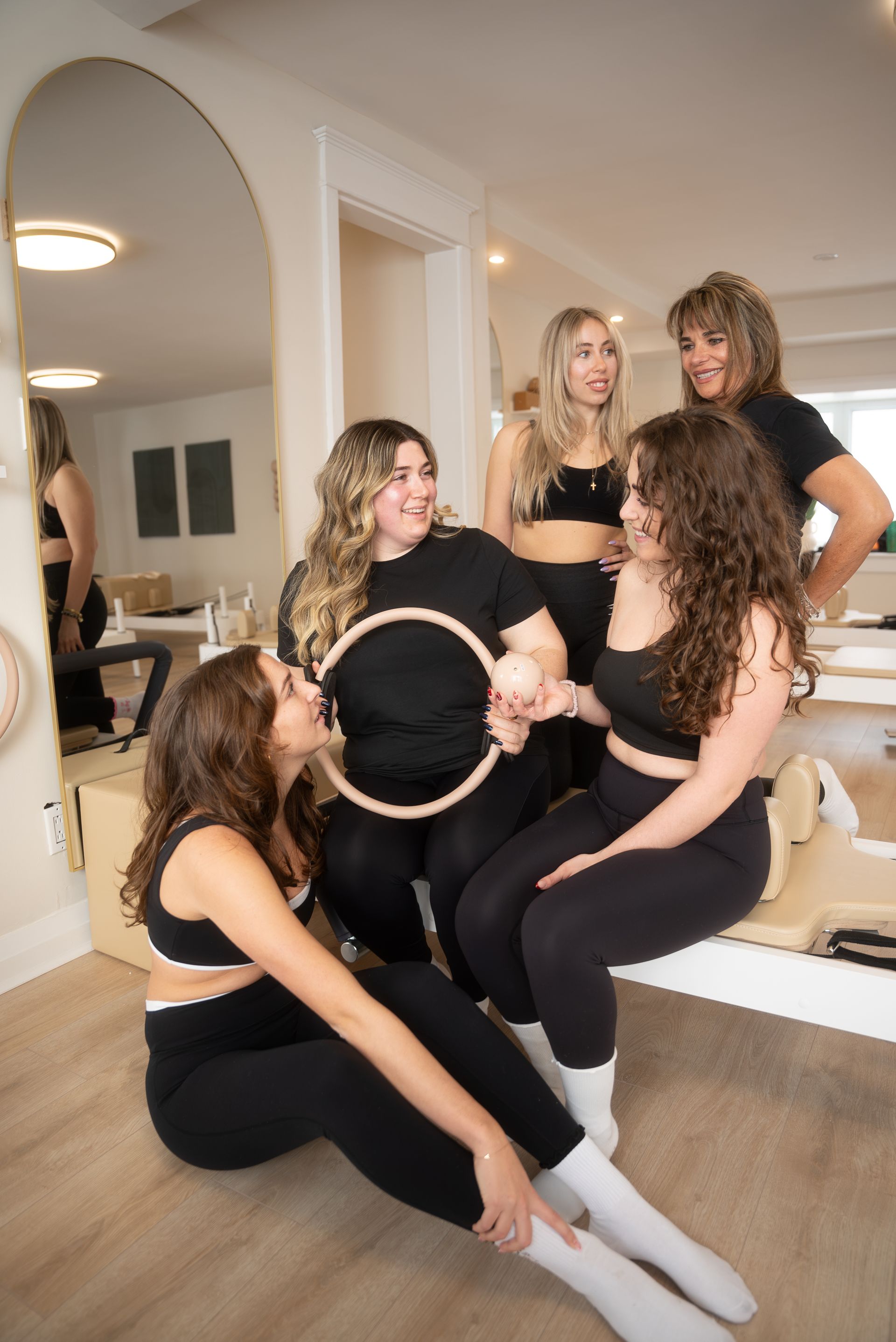
When it comes to Pilates, there seems to be a common misconception that it is intended for young adults. Many people believe that in their older age, they may not be able to keep up or perform the exercises correctly. However, Pilates was made for everyone, regardless of age, experience, or fitness level and can be extremely beneficial for older adults. Why Pilates Works for Older Adults Pilates is a low-impact, gentle and effective form of exercise. This makes it a great choice for people over 50 because it gently stren gthens the body, enhances mobility, and reduces the risk of injury. Pilates focuses on: Core Strength: A strong core helps with balance, posture, and everyday movement. Flexibility and Mobility: Regular practice helps keep your joints moving well and reduces stiffness. Posture and Alignment: Pilates builds the muscles that support good posture, which can help with the effects of sitting or standing for long periods of time. Mind-Body Connection: Pilates focuses on controlled movement and breathing, which helps improve mental focus. The Reformer is Here to Help You Pilates is extremely versatile. Essentially, any movement can be modified to fit any person and any injury. In fact, this is why the reformer was created in the first place! During World War 1, after the invention of mat Pilates, Joseph Pilates aimed to help German soldiers who were bedridden after serving in the war. Using the metal springs from hospital beds, he developed the Pilates reformer and adjusted his practise to allow these soldiers to be aided back to health. Over time, the reformer has become a staple in many people's Pilates practice, but the core intent remains the same: to provide a safe, supportive, and adaptable way for every body to build strength, improve mobility, and recover from injury. Ultimately, this makes reformer Pilates a wonderful option for beginners! Beginner-Friendly Moves You Can Try Here are some gentle Pilates exercises that are great for older adults who are new to Pilates: Pelvic Tilts: This foundational exercise promotes spinal mobility, strengthen the core, and helps to improve postural awareness without placing stress on the joints. This can help relieve back pain and stiffness. Bridging: Activates glutes and hamstrings which tends to weaken with age. This helps support balance and stability. Seated Spine Stretch: This helps to improve spinal mobility, increase flexibility, and alleviate back pain, all things are are essential in preventing future injuries. Leg Circles: These help your hips move better and also strengthen your core without putting stress on your joints. Tips for Starting Pilates Later in Life Start Slow: It is important to nail down proper form before progressing to more challenging moves. Proper form in Pilates is essential to maximize muscle engagement and prevent injury! Listen to Your Body: Pilates should feel challenging, not painful! Pain is a signal to readjust. Take breaks as needed and remember to control your movements, not power through! Seek Professional Guidance: A certified instructor can adjust the exercises to fit your needs and goals. Consistency is Key: Consistency in Pilates is essential, as regular practice (2–3 times per week) strengthens muscle memory, improves posture and alignment, and builds lasting flexibility and core strength. This will also help with enhancing mental focus and reducing stress. Pilates is about making progress, not being perfect. Starting later in life doesn’t hold you back. It gives you the chance to get stronger, improve your posture, and feel better in your body. If you’re ready to try Pilates, our beginner classes are open to people of all ages and abilities. Now is a great time to take care of your health, mobility, and well-being.
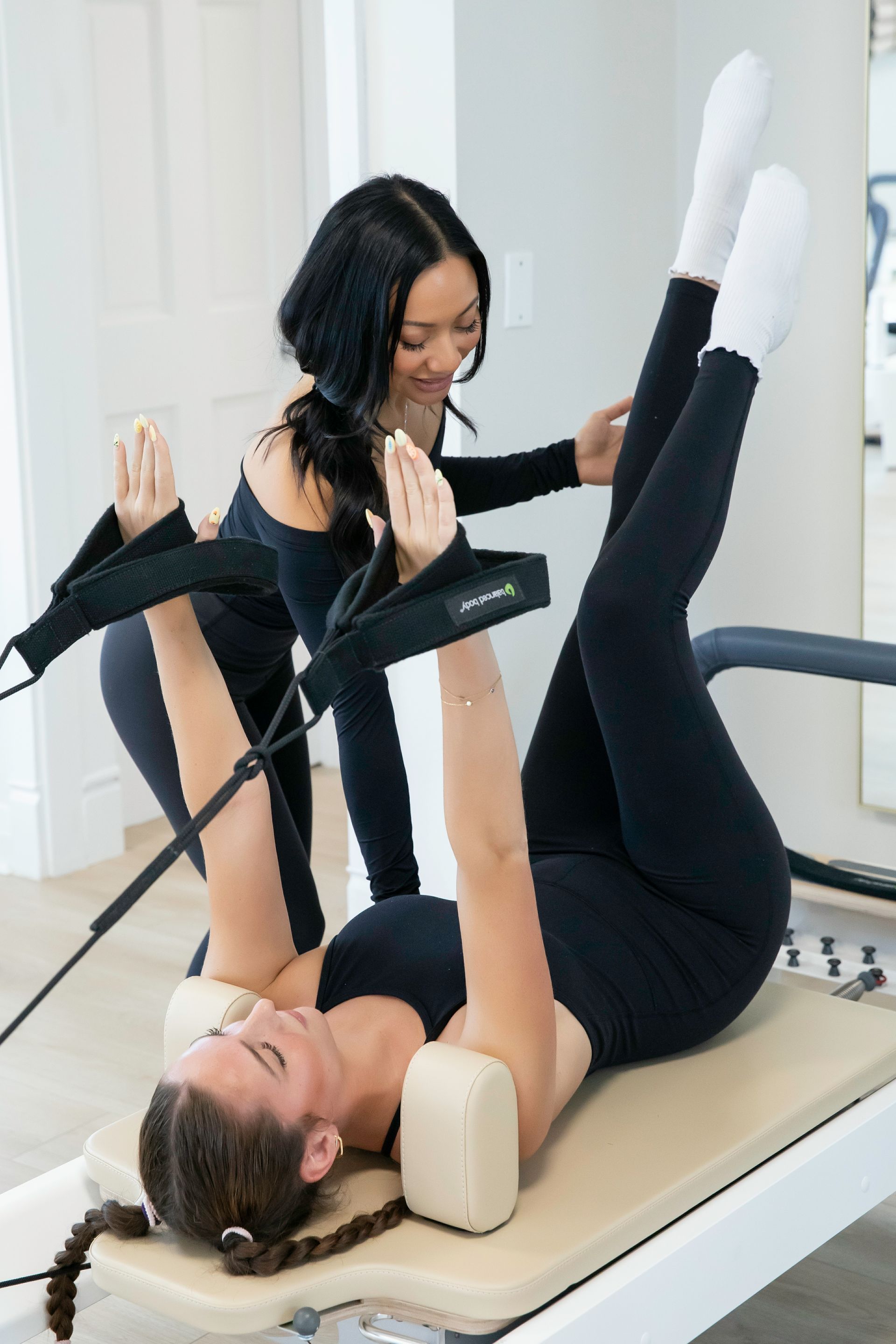
How Pilates Can Harmonize Your Hormones: 3 Powerful Benefits
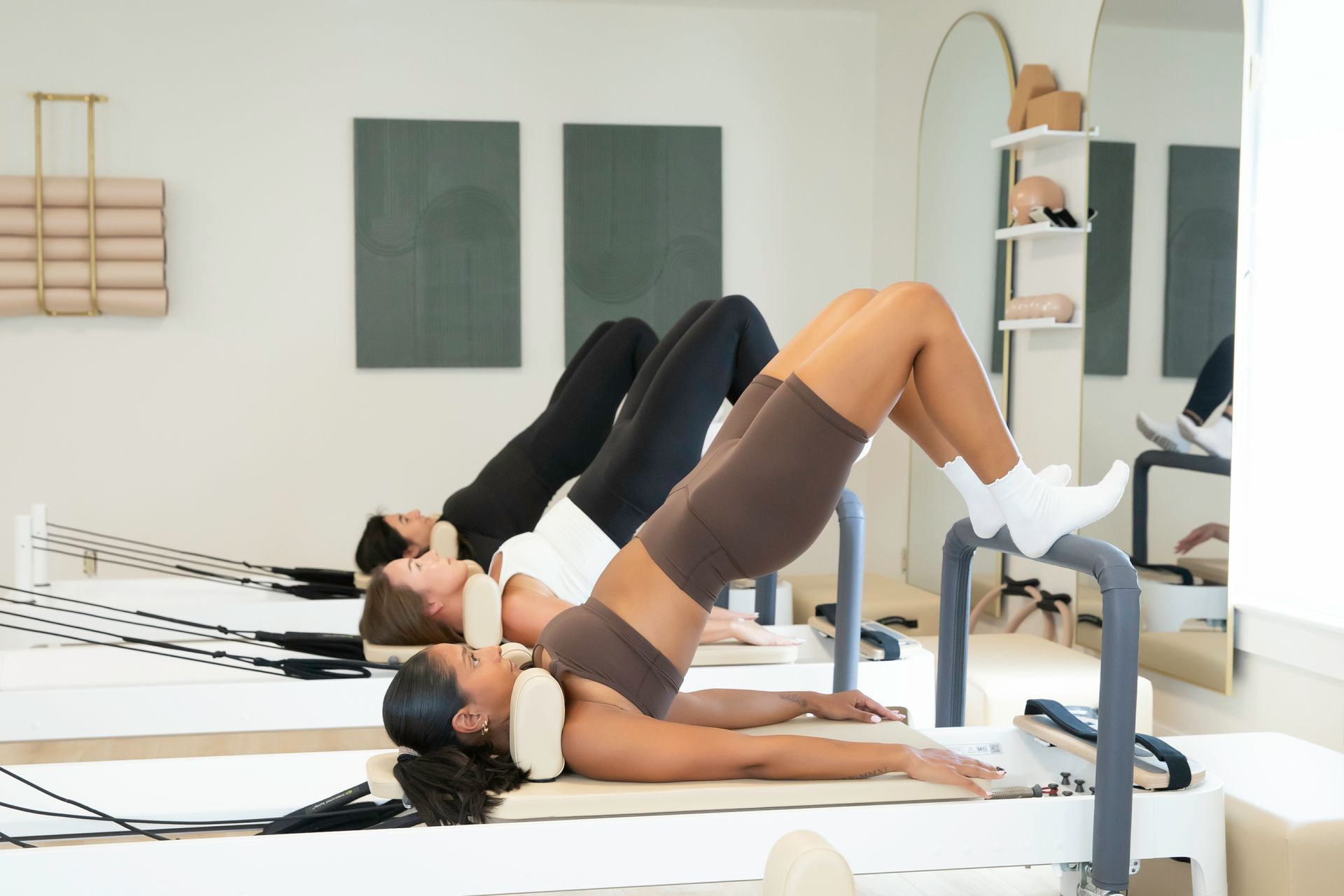
Why Consistency Beats Intensity in Pilates (and in Life)
Why the Pilates Reformer Isn’t as Intimidating as It Looks